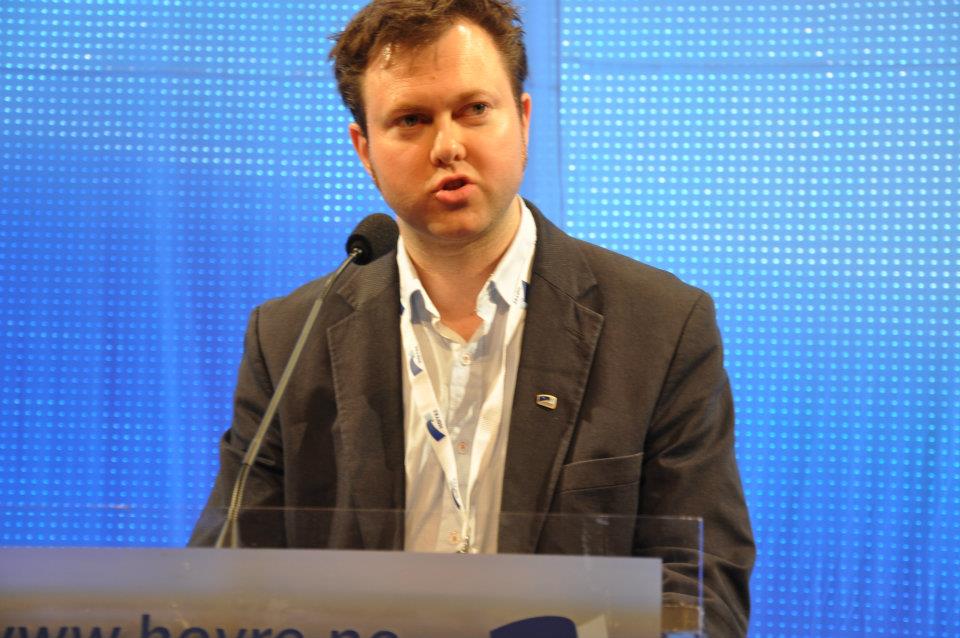
Samarbeidspartiene Høyre, Fremskrittspartiet, Senterpartiet, Venstre og Team Elverum presenterte sitt budsjettforslag i formannskapet i Elverum 21. november.
Her er budsjettinlegget som jeg fremførte på vegne av samarbeidspartiene:
Innledning
Rådmannens forslag har vært utgangpunktet for vårt arbeid. Årets budsjettforslag fra rådmannen har vært veldig ekspansivt – med et betydelig investeringsnivå den neste fireårsperioden, og 14 millioner i økte driftstiltak i 2013. Vi har derfor hatt et svært krevende arbeid med mange utfordringer.
Rådmannen har gitt oss en vanskelig oppgave i og med at spriket mellom våre politiske visjoner og rådmannens ekspansive opplegg har vært meget stort. Det er vår klare forventning at et slikt gap mellom de politiske signalene og rådmannens budsjettframlegg er et engangstilfelle, og at vi til neste år ser mer samsvar mellom de politiske signalene som er gitt og rådmannens budsjettforslag.
Vi har imidlertid gått løs på dette arbeidet med klare prinsipper og friskt mot. Vi har tatt utgangspunkt i at Elverum har en netto lånegjeld pr. innbygger på ca. kr. 40.000 pr. innbygger. Dette er ikke dramatisk. Det er på nivå med nivået i Hedmark og i landet for øvrig. Med det lånenivået betaler vi i størrelsesorden 38 millioner i året i renter på lån. Det er allerede et betydelig beløp.
Rådmannen har imidlertid foreslått at vi skal investere og låne ytterligere 820 millioner de neste fire årene. Dette vil gi en enorm økning i lånegjeld og renteutgifter. Med investeringer på 820 millioner vil kommunen måtte betale omtrent 58 millioner hvert år bare i renteutgifter. I tillegg kommer avdrag på lånene.
Ved låneopptak på 820 millioner de neste 4 årene vil vi ha en lånegjeld på opp mot 80.000 kroner pr. innbygger. Dette er himmelhøyt over gjennomsnittet i Norge og i Hedmark. Vi mener at et låneopptak på dette nivået er uansvarlig. Vi kan ikke sende denne voldsomme regningen til de neste generasjoner av Elverumsinger.
Slike store lån vil i tillegg binde opp store ressurser til drift og det vil gi fremtidige politikere minimalt med handlingsrom.
Det har derfor vært helt sentral for oss å redusere låneopptaket. Vi har klart å redusere dette ned med 150 millioner i den neste fireårsperioden. Vi skulle gjerne ha kuttet enda mer i lån, men vi ser også at mange av investeringene er helt nødvendige. Ved å balansere nøkternhet med ambisjoner har vi landet der vi er i dag når det gjelder låneopptak.
Et annet moment som har vært sentralt for oss er å redusere noe på nye driftsutgifter i 2013. Dette for å få et bærekraftig nivå på driften. Vi har redusert i byråkrati og på andre områder hvor det er signalisert potensial for effektiviseringsgevinster.
Et tredje og veldig viktig moment er at vi holder det vi lover når det gjelder eiendomsskatt.
Et fjerde moment er at vi ønsker å gi litt mer til de som trenger de mest. Det har vært viktig for oss å erkjenne at kommunen ikke kan være alt for alle, men den kan være mer for den som trenger det mest.
Så til de enkelte postene:
Redusert eiendomsskatt:
Vi trapper ned eiendomsskatten ned til 3 promille i 2013 og vi halverer eiendomsskatten i løpet ev økonomiplanperioden. Dette er helt i tråd med det vi tidligere har sagt vi skal gjøre og det vi har i den borgerlige samarbeidsavtalen. Dette gjør vi fordi vi mener at eiendomsskatten er en urettferdig skatt fordi det er en skatt på kvadratmeter og ikke på lommebok. Det er dessuten en usosial skatt fordi den i for stor grad rammer minstepensjonister med store eiendommer. Det er også en uheldig skatteform fordi det er en dobbeltbeskatning og fordi den undergraver privat eiendomsrett.
Jeg har også et argument til når det gjelder eiendomsskatt: Elverum er en kommune med lav skatteinngang på grunn av at folk har relativt lave inntekter. I en slik situasjon blir det dobbelt ille hvis vi i tillegg sender en ekstra skatteregning til våre innbyggere. Dette er enda en grunn til at vi vil redusere og på sikt fjerne eiendomsskatten.
Dynamisk effekt av skattelette (10 %):
Vi har lagt inn dynamisk effekt av skattelette på 10 % i hele perioden. Dette er i forhold til dagens skattenivå. Denne posten hadde vi også med i fjor. SSB har sagt at den reelle effekten trolig er 30-40 %. Vi er moderate og legger inn 10 %. Effekten kommer som følge av økt økonomisk aktivitet i Elverum som følge av skattelette, og dermed kommer noe av skatteletten tilbake i form av økt generell skatteinngang.
Arealplan (tas innenfor rammen):
Den foreslåtte nye stillingen på arealplan har vi måttet kutte. Vi er ikke imot denne stillingen men henstiller til at rådmannen finner penger til denne innenfor rammen. Dette gjør vi også i lys av at teknisk og plan har blitt styrket i inneværende år.
Rekruttere og beholde ingeniører:
Dette tiltaket har vi måttet kutte og også her henstiller vi til rådmannen om å se på dette innenfor rammen.
Utredning parkeringsmyndighet:
Her har vi redusert beløpet med kr. 100.000. Vi mener det bør være mulig å få til en tilfredsstillende utredning for kr. 50.000.
Rasjonaliseringseffekt eiendom:
I NHO rapporten står det klart at det vil bli en effektiviseringseffekt på eiendom i 2013. Vi tar rådmannen på ordet og legger inn 2 millioner i rasjonaliseringseffekt på eiendom. Dette mener vi er moderat sett i lys av at økonomiplanen for ett år siden la opp til en rasjonaliseringseffekt på om lag fem millioner.
Eiendomsdrift:
Dette gjelder posten som rådmannen hadde lagt inn som ekstra driftstiltak på eiendom. Sett i lys av forrige punkt kutter vi også dette foreslåtte driftstiltaket.
Økt festeavgift Prestegårdsjordet:
Rådmannen har lagt inn hele festeavgiften på 3,9 millioner. Vi kutter 2 millioner av dette sett i lys av formannskapets klare holdning til denne festeavgiften. Vi forventer å se resultater av den klare bestillingen som formannskap og kommunestyre har gjort på dette punktet.
Tjenestebiler:
Vi kutter ut dette tiltaket da vi mener dette må kunne tas innenfor eksisterende ramme.
Den kulturelle spaserstokken:
Dette ekstra driftstiltaket tar vi ut. Dette er penger som kommunen får fra staten, og vi mener ikke det er riktig å bruke store beløp av dette til administrasjon av midlene.
Innsparing rådmannsektor:
Rådmannssektoren har lagt opp til en økning i driftsbudsjett på hele 15 prosent. Vi kutter en million kroner og fremdeles er det en økning i kronebeløp på om lag en million på rådmannsektoren – så det mener vi er forsvarlig. Dette kuttet er i tråd med vårt ønske om å kutte i byråkrati og heller prioritere tjenesteproduksjon.
Kulturskoletilbud:
Denne foreslåtte økningen tar vi ut. Vi mener at det er forsvarlig å videreføre dette på dagens nivå.
Innsparing NAV:
Vi har tidligere styrket NAV personellmessig og vi mener nå at vi ser effekter av dette og at vi kan redusere noe på rammen.
Frivillige lag og foreninger:
Vi har lagt inn igjen kuttet som rådmannen har gjort i støtten til frivillige lag og foreninger. Dette fordi vi ønsker å følge opp det vi tidligere har gjort på dette området. Frivilligheten ligger nært det borgerlige hjertet, og vi ønsker å opprettholde denne viktige støtten.
Utredning av OPS – svømmehall:
Vi har ikke fått plass til varmtvannsbasseng blant investeringene, men vi ønsker å utrede muligheten for et offentlig – privat samarbeid på dette området og ønsker å bevilge en millioner til dette formålet på slutten av økonomiplanperioden. Da vil utredningen vise om det blir behov for å legge inn en investering eller driftskostnader på dette. Dette er noe vi ønsker å arbeide videre med.
2 Ergoterapeuter:
Vi tar inn igjen 2 ergoterapeuter i budsjettet for 2013. Vi mener disse gjør et viktig arbeid og totalt sett er disse ressursbesparende for kommunen.
2 kommunepsykologer:
Vi ble oppriktig skuffet da rådmannen ikke fikk plass til kommunepsykologer i budsjettet selv om et enstemmig kommunestyre har sagt at det er sterkt ønskelig. Og da passer det å vise til det jeg sa om sprik mellom politiske signaler og rådmannens forslag. Jeg vil minne om at det sterkeste politiske signalet som overhodet finnes i en kommune er et enstemmig kommunestyre.
Vi legger imidlertid to kommunepsykologer inn i budsjettet. Det er åpenbart at det er et stort behov for kommunepsykologer i Elverum og det ble også understreket av det meget tankevekkende og gode foredraget vi fikk av Nina Berg i formannskapet forrige onsdag.
Familie og helse: Spangenhuset, bo og miljø, helsestasjon:
Denne posten gjelder Spangenhuset som er et viktig aktivitetstilbud innen psykisk helse som vi ønsker å videreføre. Dette ses også i lys av det forrige punket. Det er et ønske for oss å prioritere psykisk helse i budsjettet.
Delt løsning skole i sør:
Vi ønsker ikke å slå sammen Lillemoen og Melåsberget skole på nåværende tidspunkt. En slik sammenslåing er beheftet med usikkerhet og det kan uansett ikke bli noen varig løsning så vi vil opprettholde både Melåsberget og Lillemoen. Vi ønsker å se skolesituasjonen i Søndre i en mer helhetlig sammenheng før vi endrer strukturen.
Generell innsparing (jobbes videre med):
Dette er en generell innsparing som vi kommer til å arbeide aktivt med frem mot kommunestyremøtet i desember. Posten er betydelig i kroner men utgjør i størrelsesorden en prosent av budsjettet. Dette er altså den ene prosenten av budsjettet som vi ikke er ferdige med. Vi vil gå i en aktiv dialog med rådmannen for å detaljere denne budsjettposten.
Biler familie og helse:
Investeringen i 600.000 i biler på familie og helse har vi tatt ut.
Rådhuset rehabilitering:
Investeringen som går på rehabilitering og ventilasjon på rådhuset har vi redusert med 20 millioner. Dette fordi vi ønsker å begrense dette til det som er strengt tatt nødvendig. Ut fra våre undersøkelser mener vi at vi skal klare å få til ventilasjonsanlegg på rådhuset selv om vi reduserer investeringen med 20 millioner.
Helsehuset:
Den foreslåtte investeringen på 130 millioner i helsehuset har vi tatt ut av økonomiplanen. En viktig grunn er at vi ser oss nødt til å begrense investeringene de neste fire årene. Det er imidlertid ikke med lett hjerte vi tar dette ut av budsjettet – og vi sier ikke definitivt nei til helsehuset- men i denne omgangen får vi ikke plass til det i økonomiplanen. Det er de økonomiske realiteter som vi må forholde oss til. Nå må vi stoppe litt opp og tenke oss grundig om – og heller revurdere helsehuset på et senere tidspunkt.
Før vi kan ta en endelig beslutning på dette mener vi at det må utredes mer. Vi må også få klarhet i om våre nabokommuner har interesse av et samarbeid med oss. Vi vet også at samhandlingsreformen skal evalueres og at sjansene er gode for en borgerlig regjering om et år. Alt dette gjør at vi må ta en time – out og utrede mer og heller komme tilbake til dette på et senere tidspunkt.
Ikke salg kommuneskog:
Vi har tatt salg av kommuneskog ut av økonomiplanperioden, nærmere bestemt i 2016.
Oppsummering:
Samlet sett er det tre viktige grep vi gjør i våre endringsforslag i forhold til rådmannens budsjett:
- Vi kutter i de investeringene som rådmannen har foreslått. Det gjør vi ut fra økonomisk ansvarlighet. Vi kan ikke ende opp med en lånegjeld som er dobbelt så stor som gjennomsnittet i norske kommuner. Det vil være helt uansvarlig ut fra en borgerlig politisk tankegang hvor moderasjon er sentralt.
- Når det gjelder driftsbudsjettet så vrir vi utgiftene bort fra byråkrati og dyr drift og over til de som trenger det mest. Psykisk helse er et konkret satsingsområde i så måte.
- Vi holder det vi lover og vi halverer eiendomsskatten i økonomiplanperioden.
Så vil jeg avslutte med å si litt generelt om budsjettet og det som allerede ligger inne. Det er en kraftig økning i driftsbudsjettet både fra 2012 til 2013 og i et lengre perspektiv. Medregnet posten på innsparing så øker driftsbudsjettet med 30 millioner, (tilsvarende 3,4 %) fra 2012 til 2013. I perioden 2011 til 2013 øker driftsbudsjettene med 92 millioner, eller 11,3 %. Dette innebærer en økning i kommunens tjenesteproduksjon og en styrking av velferdsnivå for våre innbyggere.
I det borgerlige budsjettet opprettholder vi sunn kommuneøkonomi med henholdsvis 8,7 millioner, 12,6 millioner, 12,7 millioner og 15,4 millioner igjen på bunnlinja de neste fire årene.
Det ligger også inne en betydelig satsing på skolebygg. Vi skal rehabilitere både Søbakken og Hanstad skole, vi skal bygge ut trinn 2 på Vestad og vi skal investere i undervisningspaviljong på Frydenlund. Skole i Sør ligger også inne i budsjettet, og det er fra før en ikke ubetydelig sum som ligger inne til vegvedlikehold.
Vi er også glade for at de som i mange år har arbeidet i vår kommunale hjelpemiddelsentral nå skal over i verdige og tidsriktige lokaler i den tidligere NAV hjelpemiddelsentral i Kirkevegen.
Vi selger ikke hverken Elverum Energi eller kommuneskogen i budsjett eller i økonomiplanperioden.
Kjære Ordfører. Etter et svært krevende arbeid legger vi nå frem et budsjett for vekst og velferd i Elverum. Budsjettet har tydelige borgerlige trekk med ansvarlighet og tillit til enkeltmennesket som bærebjelker. Vi ønsker å gi litt mer til de som trenger det mest, og vi vil spille på lag med frivillig sektor. Det er et budsjett som styrker velferd og legger til rette for fremtidig vekst – samtidig som vi balanserer ambisjoner med moderasjon.
Vi vil også gjerne poengtere det fantastisk gode samarbeidet mellom de fem samarbeidspartiene i denne krevende prosessen. Det har vært en meget god tone hele veien, og vi takker hverandre for en meget god og konstruktiv prosess.
Takk!